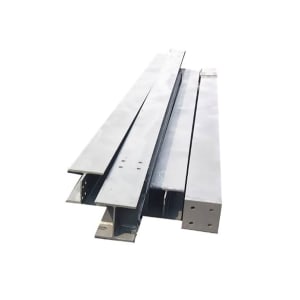
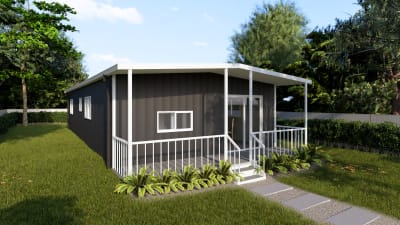
Steel Frame 92 x 38mm, 0.75mm thick• Base Material: Usually high-tensile steel, such as TRUECORE® steel, which has a yield strength of 550 MPa. • Corrosion Protection: The steel is galvanized with protective coatings, typically a zinc-aluminum-magnesium alloy (e.g., AM150 or AZ150) to prevent rust and ensure longevity. • Forming Process: The steel is rolled and formed at room temperature into various "C" or "U" shaped sections.
Floor Frame 150 x 65mm, 2.45mm thick• Material Base: Primarily made from cold-formed steel (thin sheets rolled or pressed into shape), offering high strength with low weight. • Steel Grade: Commonly manufactured from high-tensile steel, often with a minimum yield stress of 450 MPa or higher. • Corrosion Protection: These are typically galvanized with zinc (e.g., Z350 or Z275 coating mass) to prevent rust and ensure long-term durability, often conforming to standards like AS1397.
Floor SheetingSIP flooring 60mm thick, 18mm ply – 30mm foam – 12mm ply Sandwich • Consists of high-performance engineered panels—typically Oriented Strand Board (OSB) sandwiching a rigid foam core (EPS)—used as a structural, insulating alternative to traditional joist subfloors. Key Features and Benefits of SIP Flooring: • Superior Insulation: Provides high thermal resistance, eliminating the thermal bridging often found in conventional stick framing. • Rapid Installation: Panels are often pre-cut, allowing for quick assembly and providing an immediate, strong surface for construction to continue. • Structural Strength: Operates like a steel I-beam, capable of supporting significant loads as a subfloor. • Environmental Control: The airtight envelope restricts air leakage, improving energy efficiency and lowering heating/cooling costs. • Moisture Management: Unlike fiberglass batt insulation, SIP floors provide continuous, consistent insulation that is less prone to sagging, moisture buildup, and rot. Common Specifications: • Components: Usually two layers of 11mm or 15mm OSB with an EPS core. • Thickness: Common thicknesses range from 68mm to 136mm.
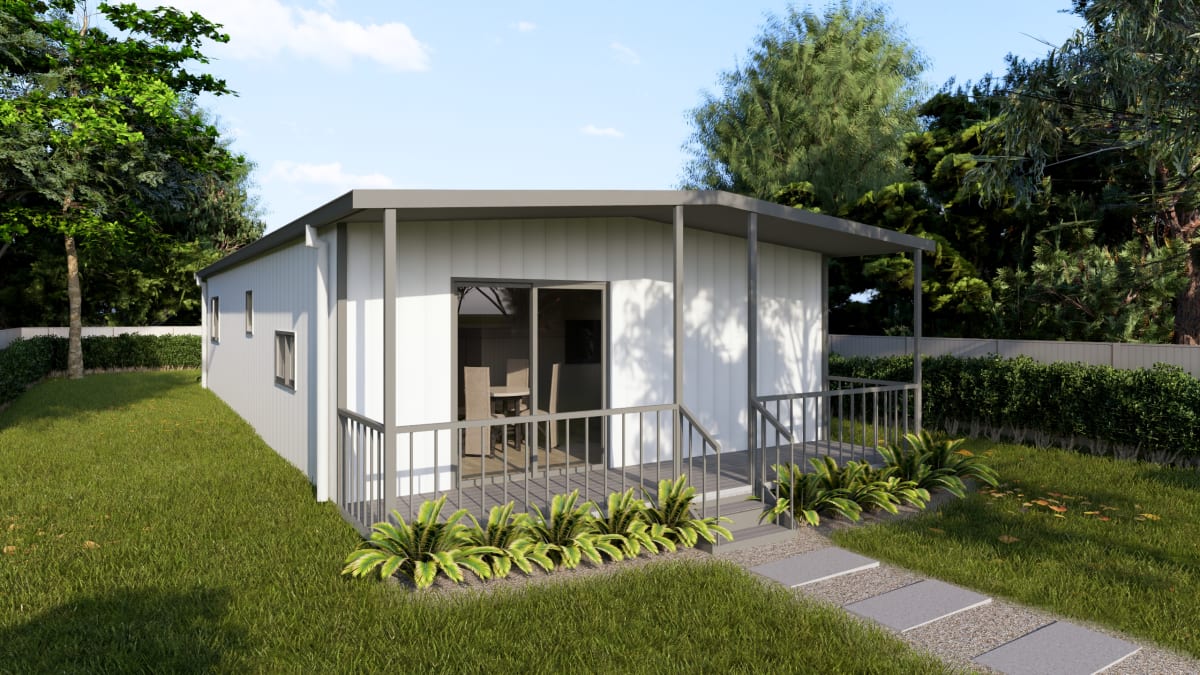
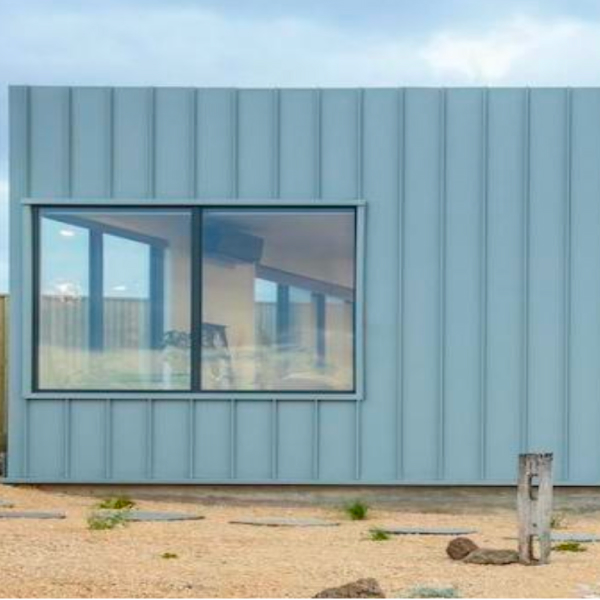
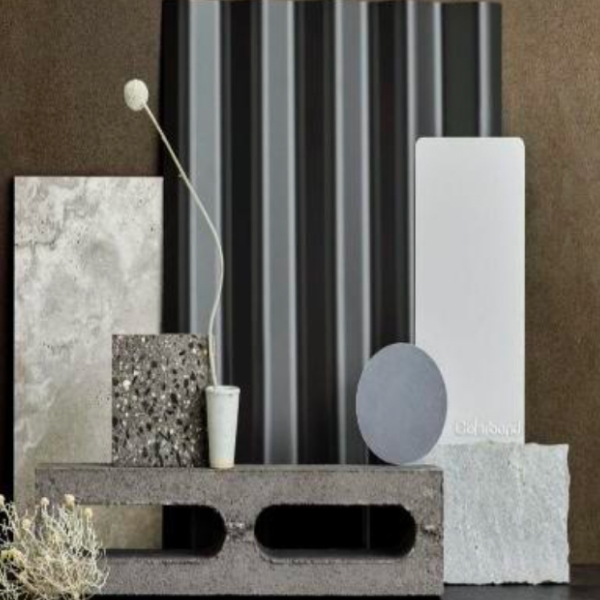
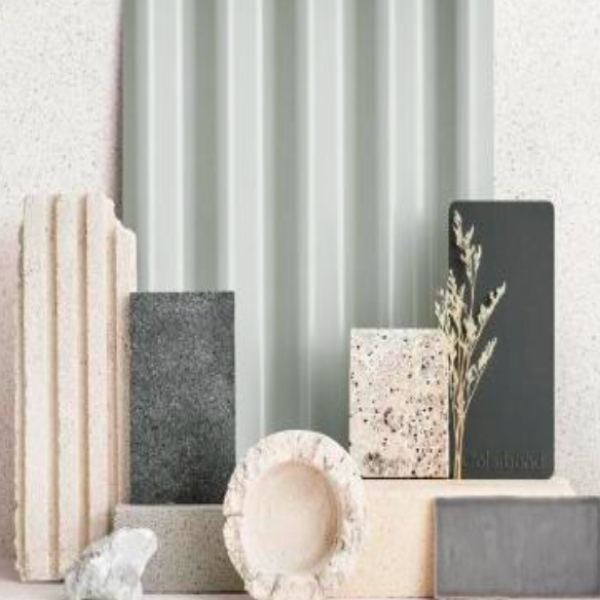
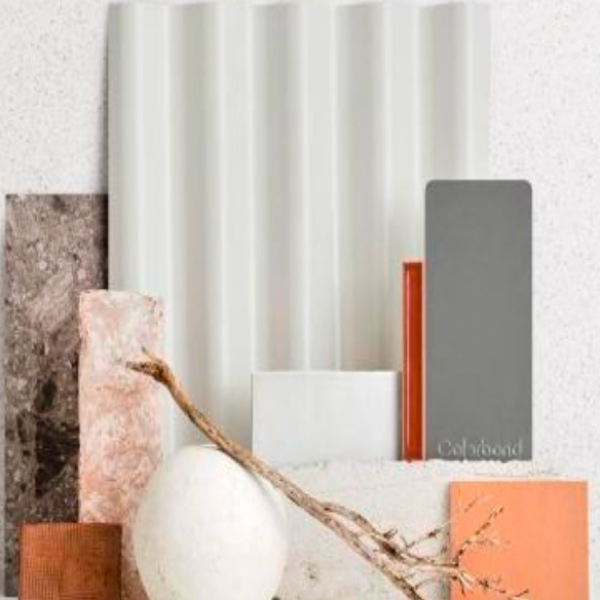
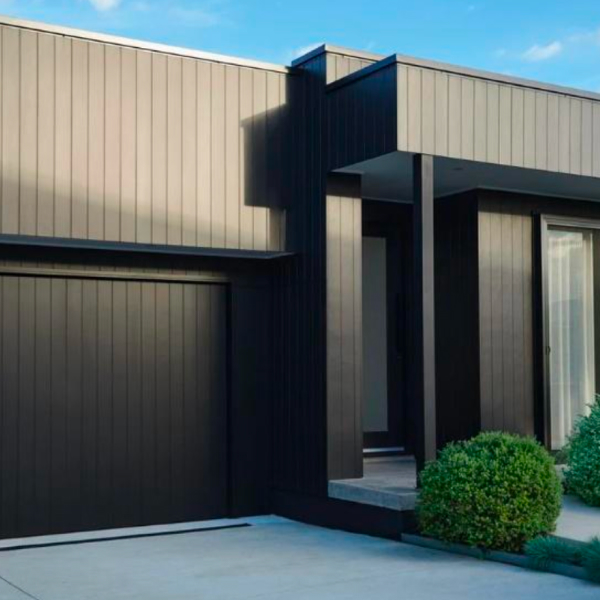
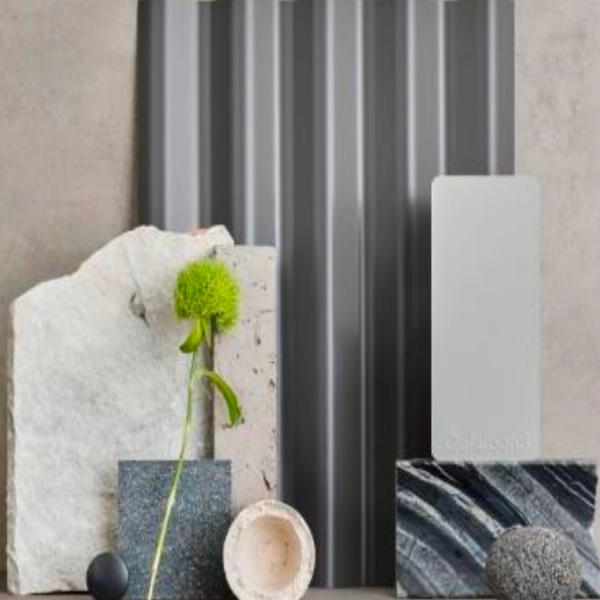
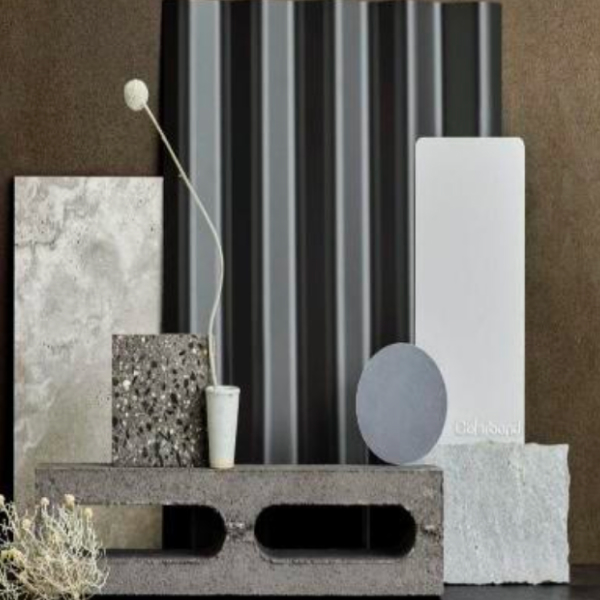
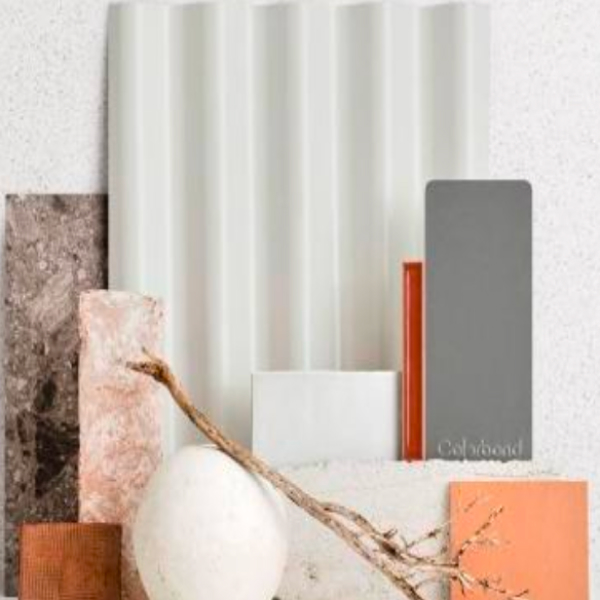
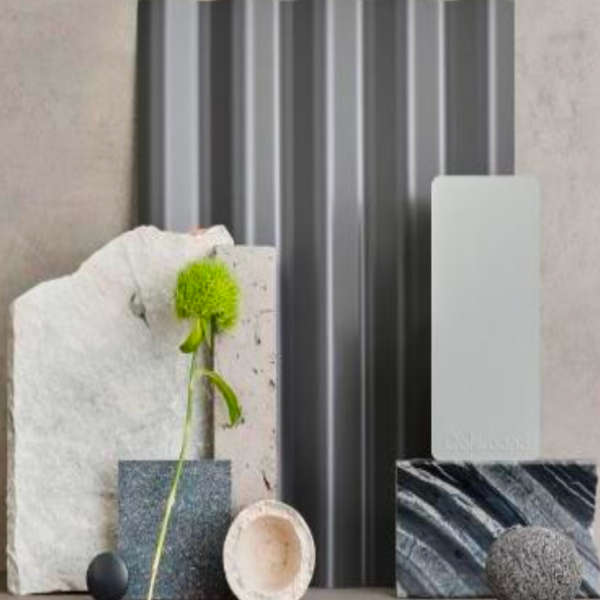
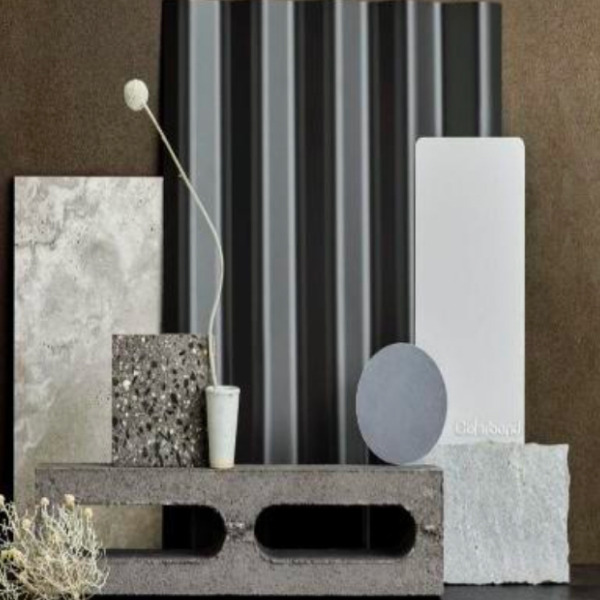
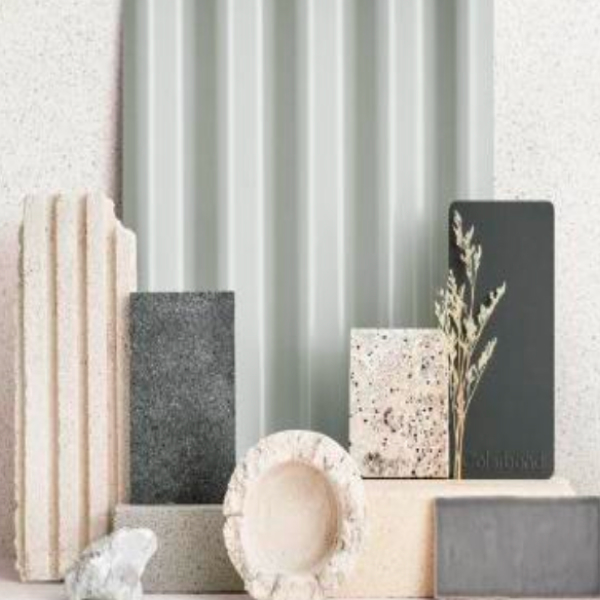
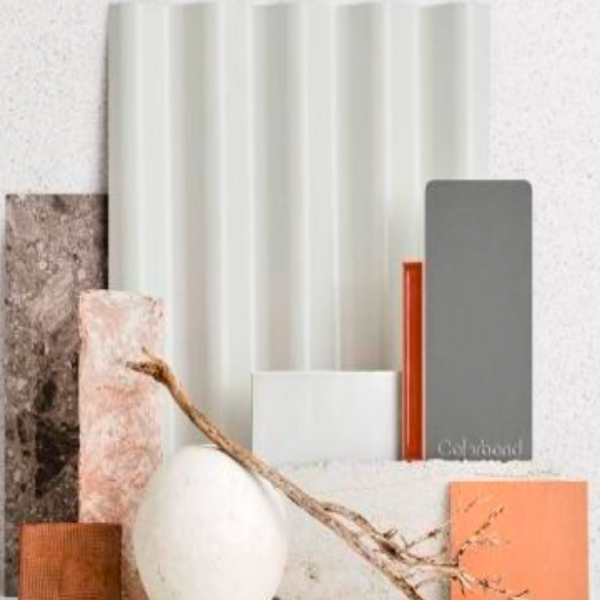
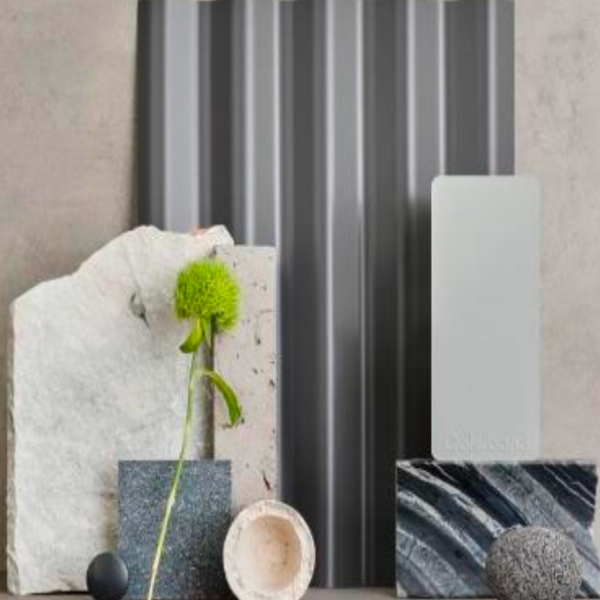
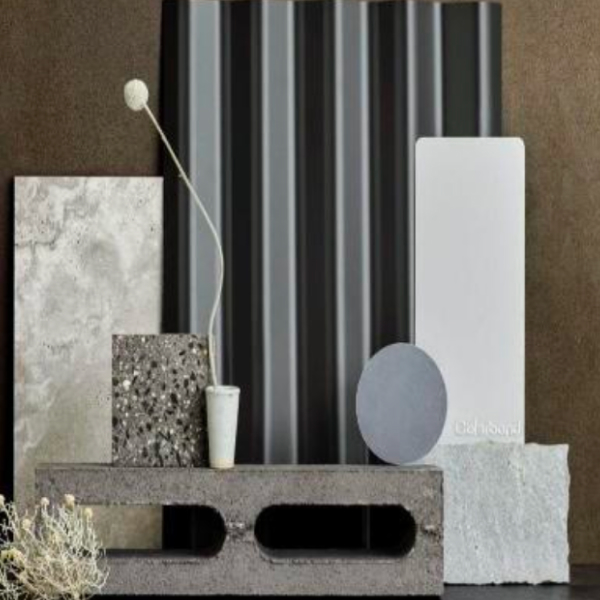
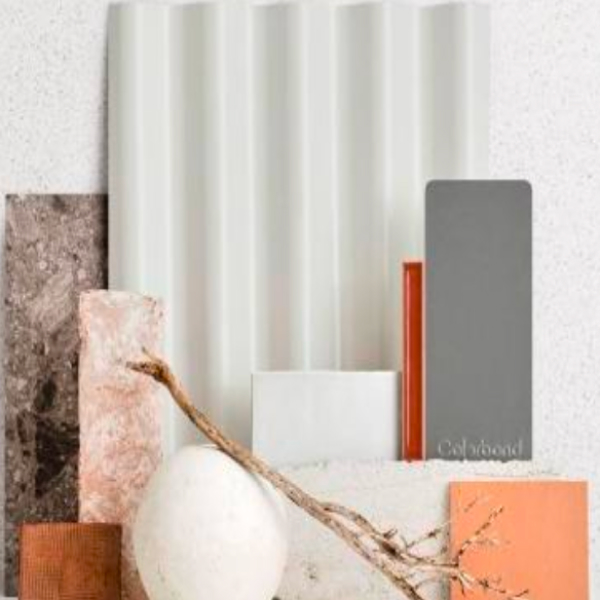
External Wall FinishColorbond Wall Cladding Steel wall cladding is a lightweight, 0.45mm thick, durable, and low-maintenance exterior cladding designed for Australian conditions. Key Features & Benefits • Durable & Low Maintenance: Resistant to paint chipping, flaking, and blistering, requiring minimal maintenance. • Versatile Aesthetics: Available in classic, matte, and metallic finishes for modern or traditional designs. • Environmental Protection: Features Thermatech® solar reflectance technology to help regulate temperatures, and is suitable for bushfire-prone zones (BAL-FZ). • Installation & Design: Can be installed vertically or horizontally to create different visual effects. Performance • Materials: Manufactured from high-quality steel, with options like COLORBOND Ultra for severe coastal or industrial environments. • Longevity: Engineered to endure high winds, rain, and hail.
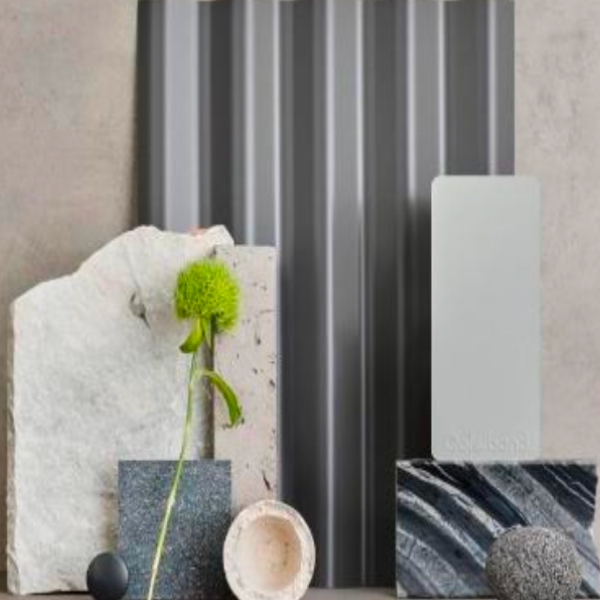
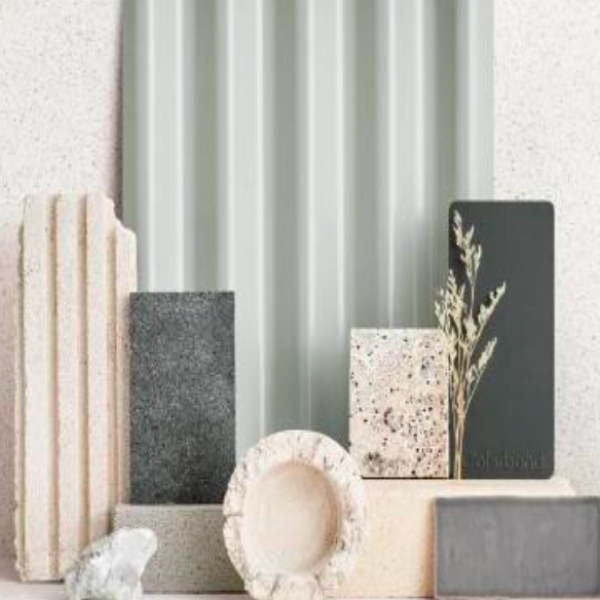
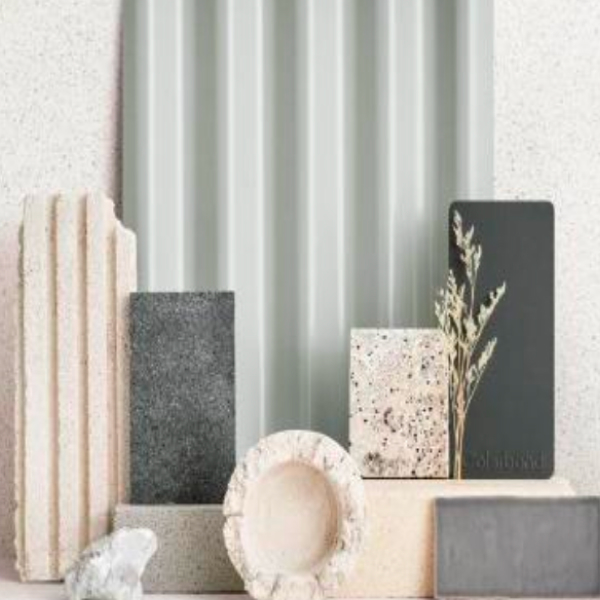
Roof SheetingColorbong Sheeting Steel roof sheeting is a durable, pre-painted steel product designed for Australian conditions. It features5 layers of protection, including corrosion-resistant Activate® technology, a base metal thickness (BMT) of 0.42mm or 0.48mm, and a high-tensile G550 steel base. Key Features and Benefits • Durability & Protection: Features five protective layers, including a Zincalume base and baked-on paint, designed for corrosion resistance. • Composition: High-tensile steel base, commonly available in 0.42 BMT or 0.48 BMT for added strength. • Corrosion Resistance: Features Activate technology and, for harsh environments, specialized Colorbond Ultra/Stainless options. • Profiles: Available in traditional corrugated (custom orb), modern ribbed profiles like Trimdek, and Spandek. • Colour & Finish: Offers 22 standard colors, including a matte finish option, with excellent color fastness. • Applications: Suitable for residential roofing, commercial projects, shedding, wall cladding, and bushfire-prone areas. Technical Specifications • Base Metal Thickness (BMT): Generally 0.42mm or 0.48mm. • Effective Coverage (Corrugated): Usually 762mm wide with a 840mm overall width. • Compliance: Complies with AS/NZS 2728 (pre-painted steel) and AS/NZS 1397 (steel base). • Minimum Pitch: Suitable for roofs with a pitch as low as 5° (depending on profile).
InsulationInsulation batts are pre-cut, flexible panels of thermal insulation designed to fit snugly between standard stud, joist, and rafter spacings in walls, floors, and ceilings. Typically made from fiberglass, mineral wool, or polyester, they trap air to reduce heat transfer and increase energy efficiency. Key Features of Insulation Batts • Material Types: Common materials include fiberglass (glasswool), mineral wool (rockwool), polyester, and sometimes sheep's wool. • Dimensions: Designed for standard building cavities, usually available in widths for 2x4 or 2x6 walls and lengths of 48 to 96 inches. • R-Values: They provide high thermal resistance (R-values), keeping homes warmer in winter and cooler in summer. • Installation: Easy to install by hand, often friction-fit between studs, although they can be cut to fit, according to. • Facings: Available with or without vapor barriers (such as kraft paper or foil). • Acoustic Properties: Many batts also serve as acoustic insulation to reduce noise. Common Uses • Walls: Installed in 90mm wall cavities during new construction or renovations. • Ceilings: Placed between joists to prevent heat loss, particularly effective for flat or pitched roofs. • Floors: Used for underfloor insulation to improve comfort. Key Considerations • Avoid Compression: To maintain effectiveness, batt insulation should not be compressed, as this reduces the trapped air pockets. • Density: Higher-density batts (e.g., R2.5) are recommended for improved performance in specific cavities. Insulation blankets are flexible, fibrous rolls (fiberglass, rockwool, or mineral wool) used primarily in building construction to provide thermal resistance, acoustic insulation, and moisture management. Often faced with reflective foil, they are installed between studs, joists, or under roofs to boost energy efficiency and reduce heat transfer. Key Features and Types • Roof Blanket Insulation: Combines bulk insulation with reflective foil to minimize condensation and manage heat under metal roofing. • Commercial/Industrial Blankets: Flexible, lightweight rolls typically designed for commercial building roofs, walls, and floors, improving energy efficiency. • High-Temperature Blankets: Specialized ceramic or silica fiber blankets (e.g., Kaowool, Cerablanket) designed for extreme heat in furnaces, pipes, and engines. • Removable Insulation Covers: Used in industrial settings for pipes and machinery requiring frequent maintenance. Key Benefits • Energy Efficiency: High R-values reduce heat loss and gain, lowering energy costs. • Easy Installation: Flexible nature allows for quick fitting between standard construction components. • Durability & Safety: Non-combustible, fire-safe, and often moisture-repellent. • Comfort: Improves acoustic insulation (noise reduction) and temperature stability. Key Considerations • R-Values: Range from R-11 to R-38, indicating thermal performance. • Density: Available in various densities for specific insulation needs, particularly in high-temperature applications.
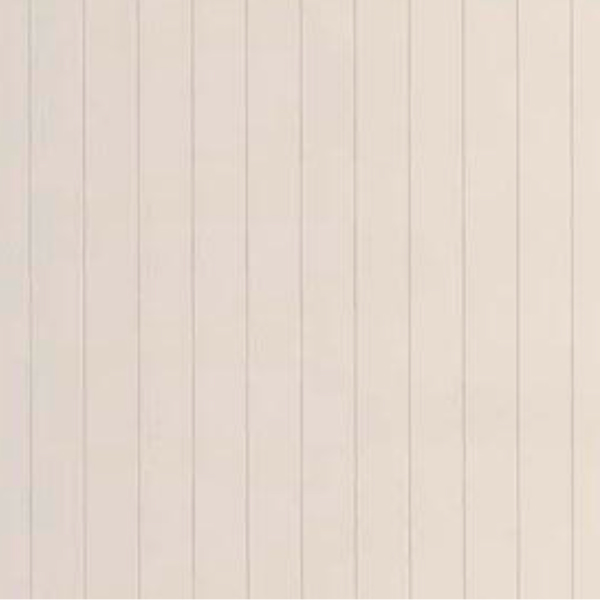
Internal Wall FinishMDF V-groove 12mm Thick • A decorative, moisture-resistant Medium-Density Fibreboard panel with precise V-shaped grooves routed into the surface • Appearance: Features vertical V-shaped lines (similar to tongue & groove or shiplap), often with 100mm, 150mm, or custom spacing. • Material: Usually made from Moisture Resistant (MR) MDF, making it suitable for kitchens, bathrooms, and high-humidity areas. • Dimensions: Common thicknesses include 9mm (for wall paneling) and 18mm (for cabinetry), with sheet sizes often 2400mm x 1200mm or 3600mm x 1200mm.
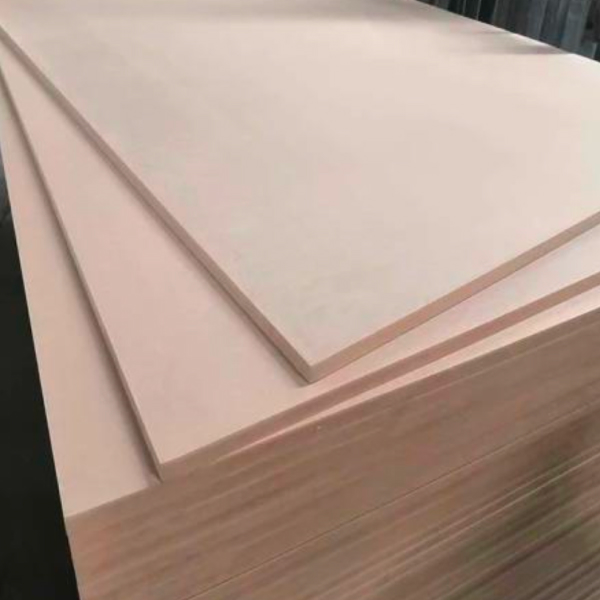
Ceiling FinishMedium Density Fibreboard (MDF) 12mm thick • A versatile, engineered wood product made by breaking down softwood/hardwood residuals into fibers, combined with wax and resin, and pressed into dense, smooth sheets. Key Characteristics and Uses: • Structure: Dense, uniform, and stable with no knots or grain, allowing for smooth edge finishes. • Workability: Easily cut, drilled, and shaped with standard tools without splintering. • Applications: Commonly used for shelving, cabinetry, furniture, molding, and wall panels. • Limitations: Primarily for interior use due to poor moisture resistance, though specialized water-resistant grades (often colored green) exist. • Finishing: Excellent surface for veneers, laminates, and paints.
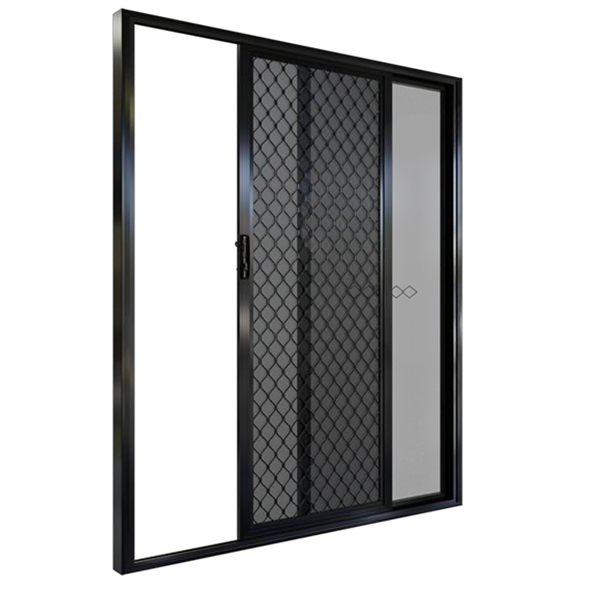
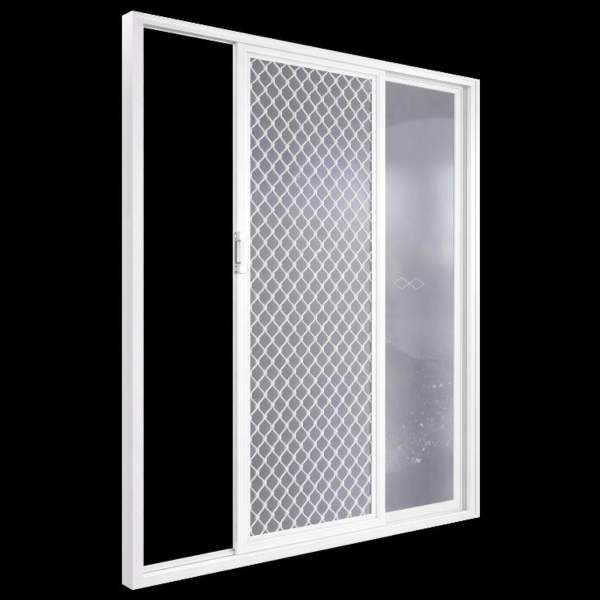
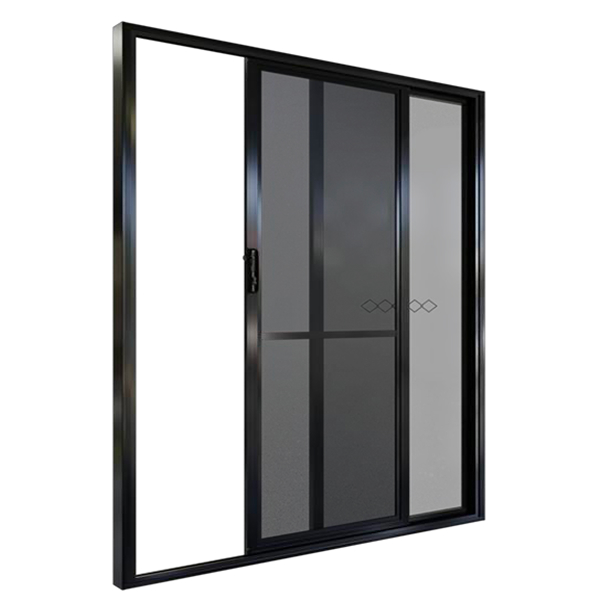
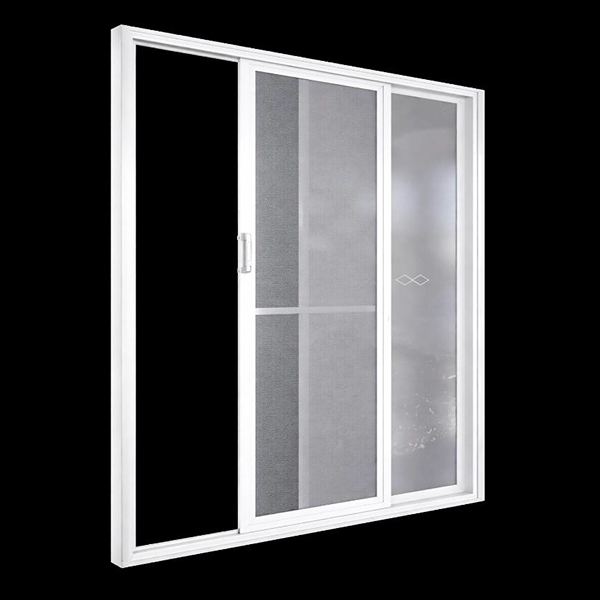
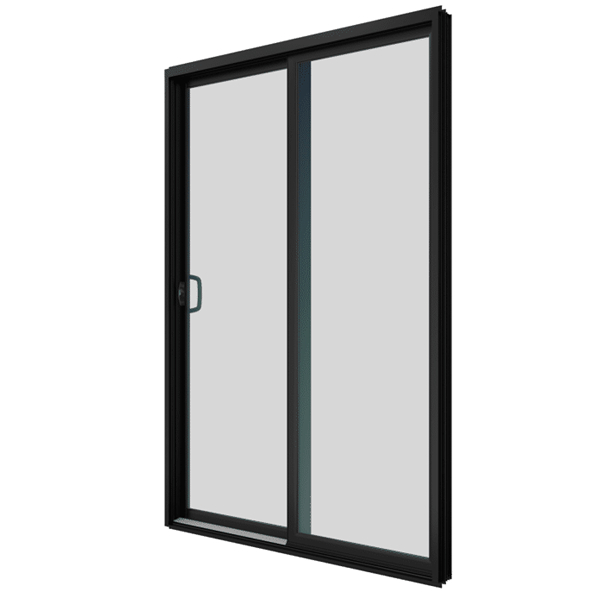
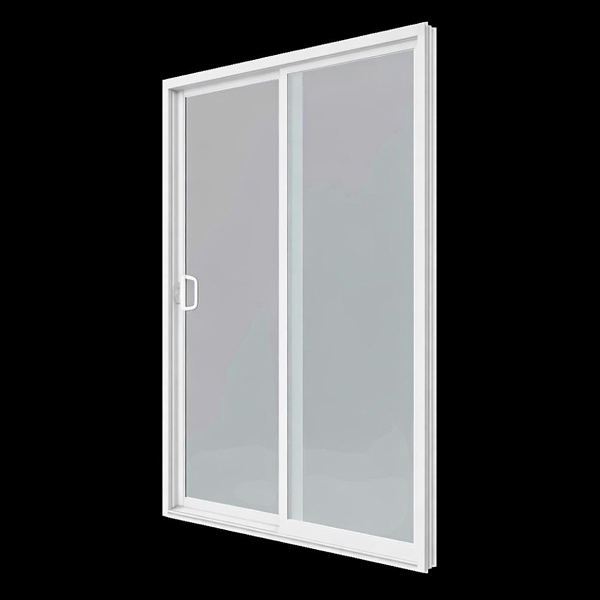
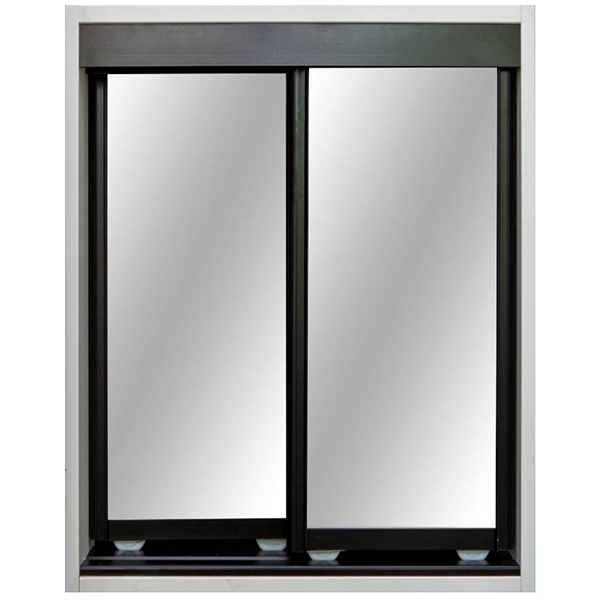
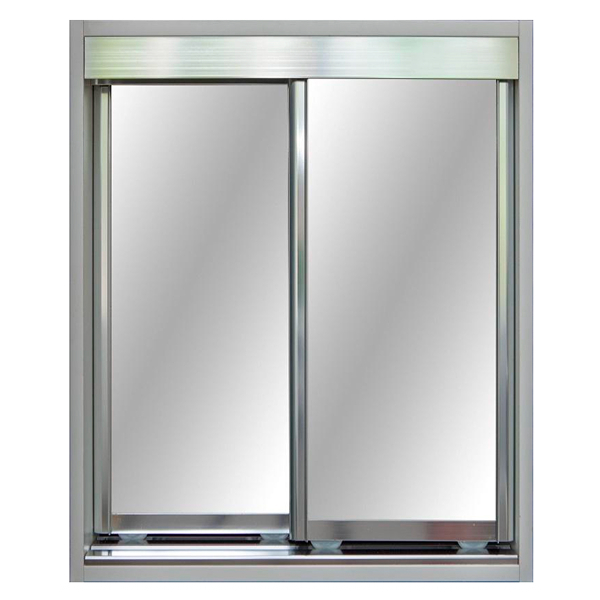
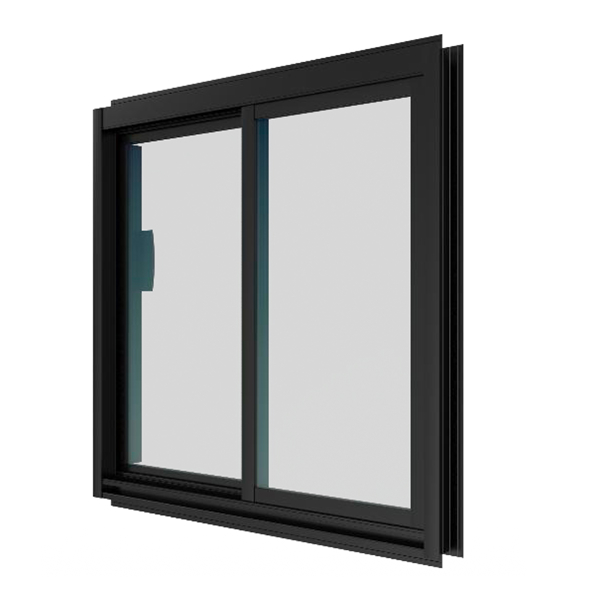
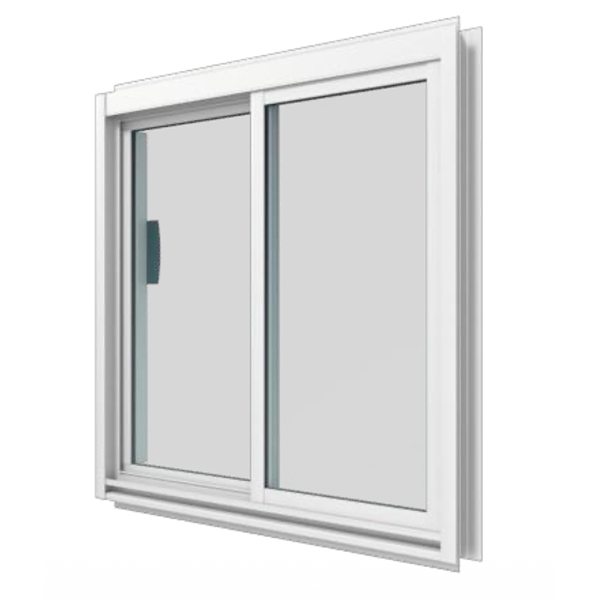
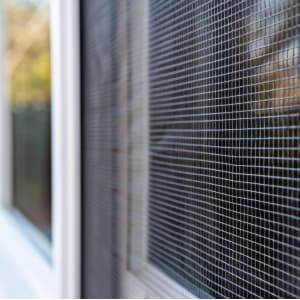
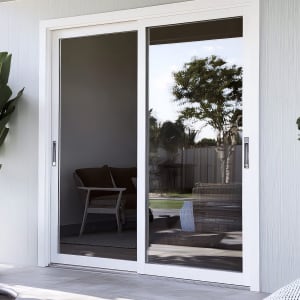
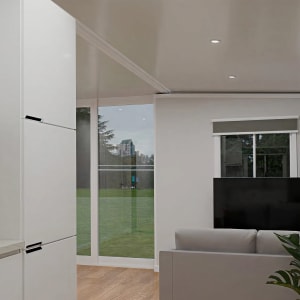
Windows / Sliding DoorsAluminium windows offer a durable, low-maintenance, and modern solution, featuring slim frames that maximize natural light and views. They are highly resistant to corrosion, versatile in color through powder coating, and increasingly energy-efficient when using thermally broken profiles. Key Features and Benefits • Durability & Strength: Aluminium is strong and long-lasting, resisting weathering and corrosion, making it ideal for various environments. • Slim Profiles: The strength of aluminium allows for thinner frames and larger glass panes, creating a modern aesthetic with maximum, unobstructed views. • Low Maintenance: Unlike timber, these windows do not require regular painting or sealing and are easily cleaned. • Energy Efficiency: Modern aluminium windows, particularly those with a thermal break (insulation between the inside and outside frame), offer excellent thermal performance, preventing heat and cold transfer.
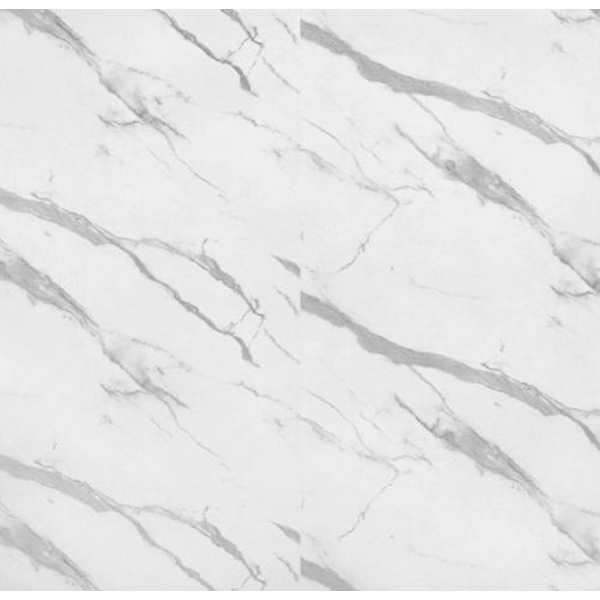
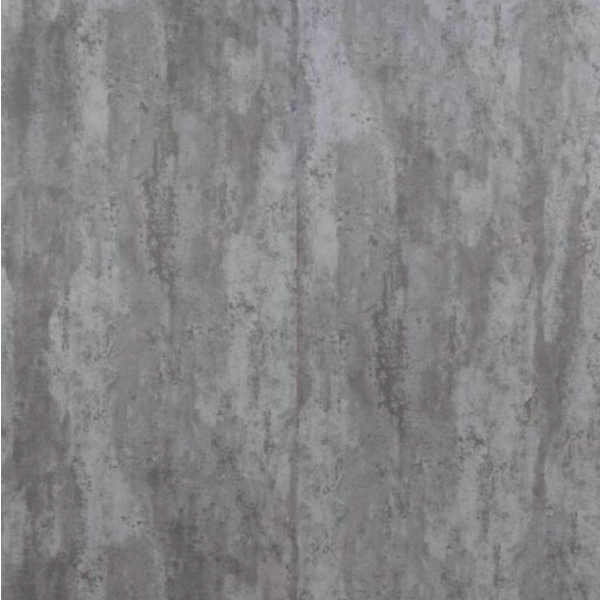
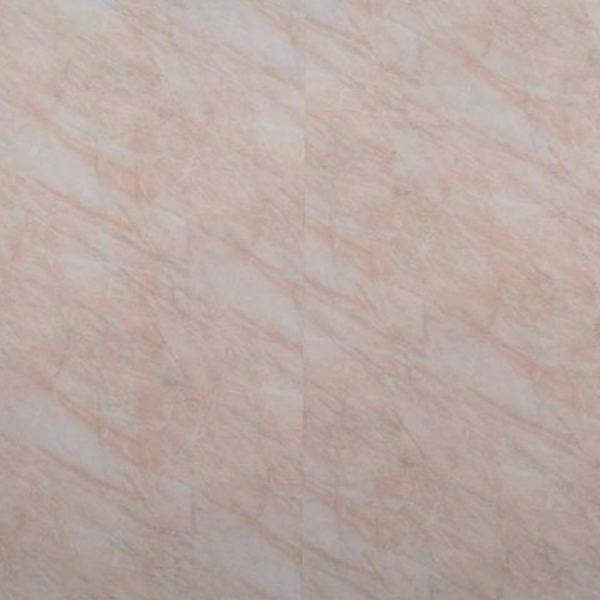
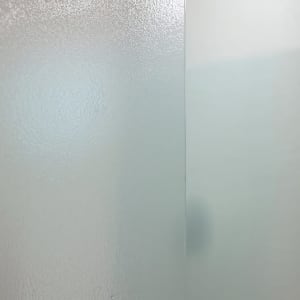
Bathroom WallsWet wall panels are 100% waterproof, grout-free, tongue-and-groove sheets designed as a durable, low-maintenance alternative to tiles for showers, bathrooms, and kitchens. Often made from PVC or composite materials, Key Features and Benefits • 100% Waterproof & Grout-Free: Creates a seamless, watertight seal, eliminating moldy grout issues. • Easy Installation: Panels feature a tongue-and-groove system, allowing them to click together and cover walls fast, often over existing tiles. • Versatile Application: Suitable for showers, wet rooms, kitchens, and laundry areas. • Low Maintenance: Easily cleaned with a squeegee, requiring no special grout cleaners. • Material: Usually constructed from durable PVC or wood fiber plastic composite. • Appearance: Available in various designs, including marble, stone, and high-gloss finishes.
Bathroom FloorsFloor tiles are durable, moisture-resistant, and low-maintenance surface coverings used for high-traffic areas, manufactured from materials like porcelain, ceramic, or natural stone. They are denser than wall tiles to handle heavy loads. Key Characteristics and Types of Floor Tiles: • Ceramic Tiles: Made from clay and fired at high temperatures, these are durable, easy to clean, and suitable for interior floors. • Vitrified Tiles: A type of ceramic tile that undergoes a fusion process, making it denser, stronger, and more stain-resistant, with water absorption. suitable for living rooms and bedrooms. • Natural Stone Tiles: Include materials like marble, slate, and limestone, offering unique, natural beauty, but often require sealing and higher maintenance. • Cement Tiles: Versatile in pattern, they are highly porous and require regular sealing to maintain their appearance, best for low-traffic areas. Key Considerations for Selection: • Durability and Wear Rating (PEI Scale): Floor tiles are often categorized by wear resistance from Class 1 (light use) to Class 5 (heavy traffic), with Class 3-4 suitable for most residential applications. • Water Absorption: Vitrified and porcelain tiles have the lowest water absorption, making them superior for wet areas. • Size and Finish: Large-format tiles (e.g.,) reduce grout lines, creating a more seamless look. Finishes can be polished, matte, or textured for slip resistance.
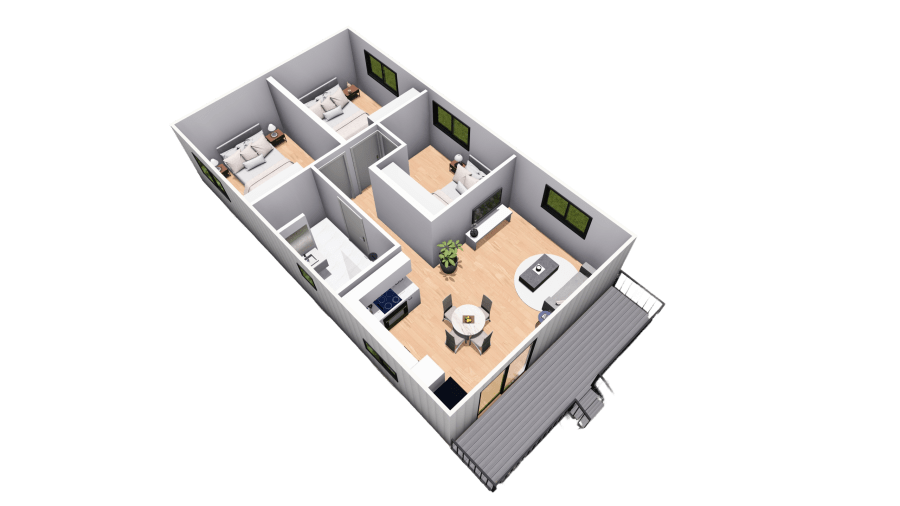
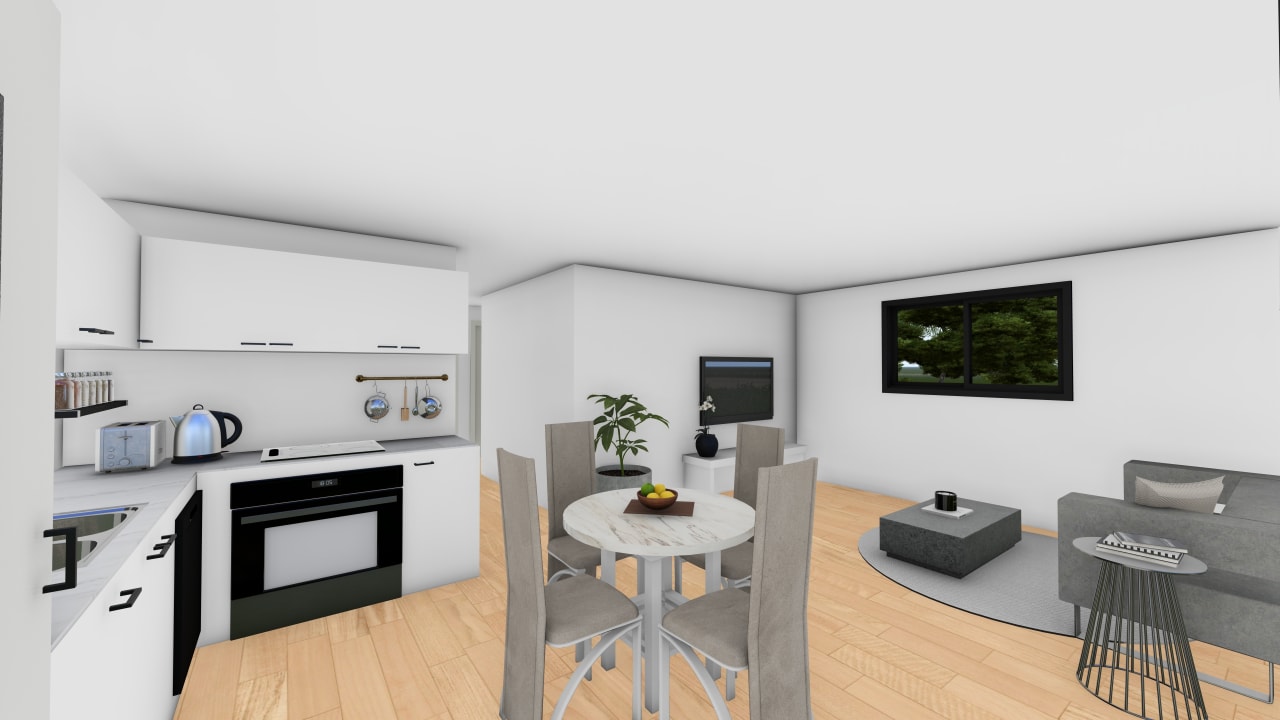
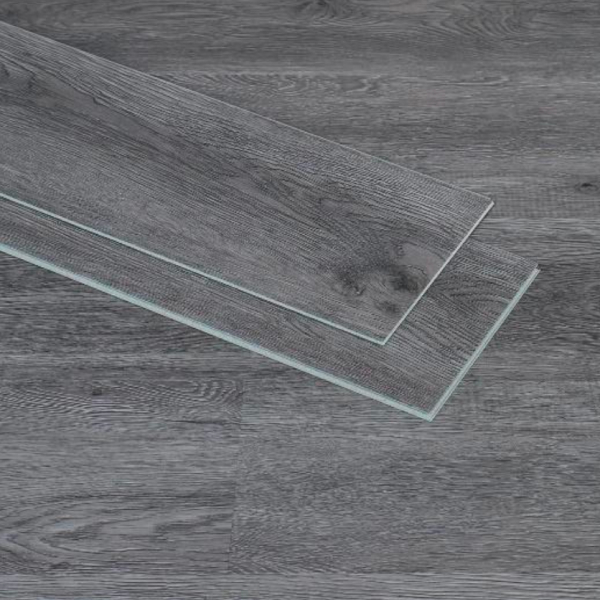
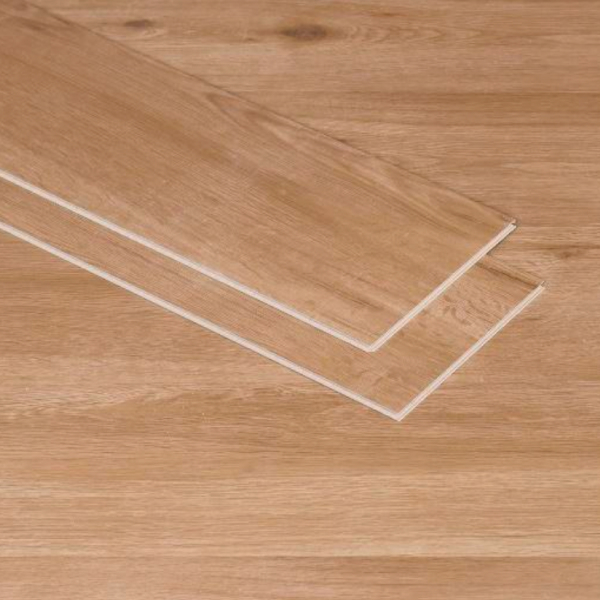
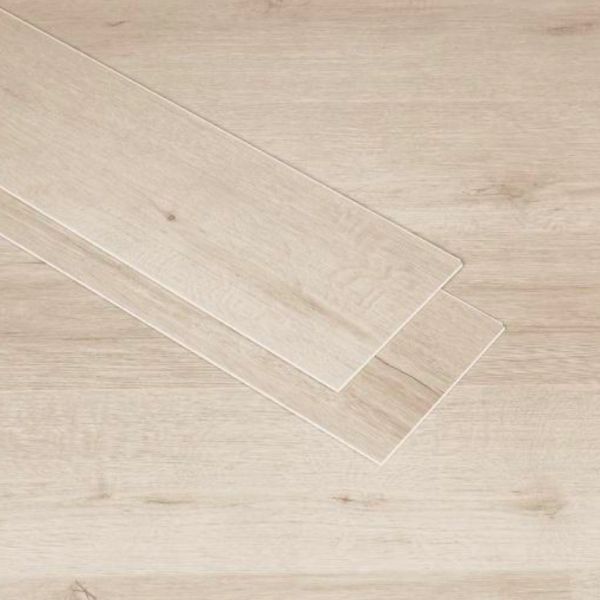
Living FloorsHybrid flooring is a rigid, floating, and 100% waterproof flooring product that combines the best features of vinyl and laminate, often featuring a stone-plastic composite (SPC) core Key Characteristics • Composition: Features a rigid core (limestone and PVC), a decorative layer, a wear layer, and usually a pre-adhered underlay. • Waterproof: Unlike laminate, it is 100% water-resistant, making it ideal for kitchens and laundries. • Installation: Installed as a floating floor using a "click-lock" system, allowing for quick installation without glue. • Appearance: Mimics natural timber or stone, often with realistic grain textures. • Maintenance: Low maintenance, easy to clean with a mop. Usage Examples • Entire Home: It is often used for open-plan areas to create a seamless look, as it is stable and resists temperature-driven expansion. • Wet Areas: Kitchens, bathrooms, and laundries due to its waterproof nature. • High-Traffic Homes: Durable, stain-resistant, and suitable for homes with kids and pets.
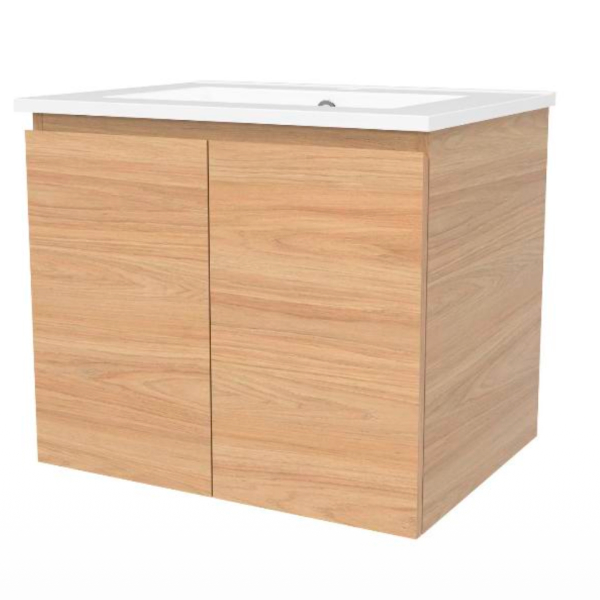
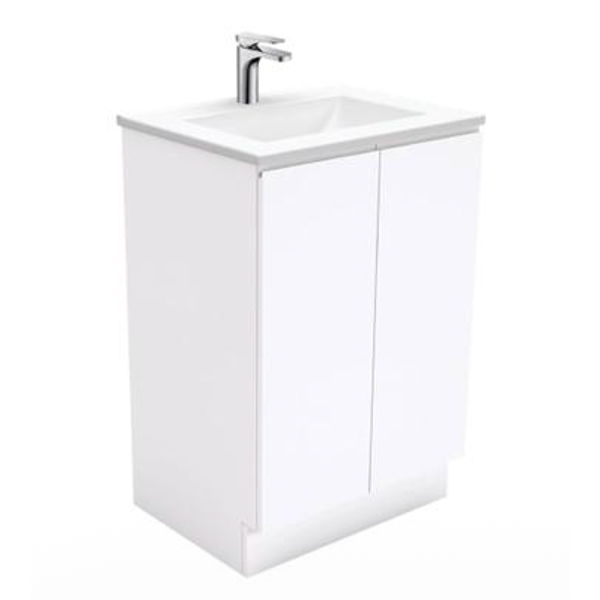
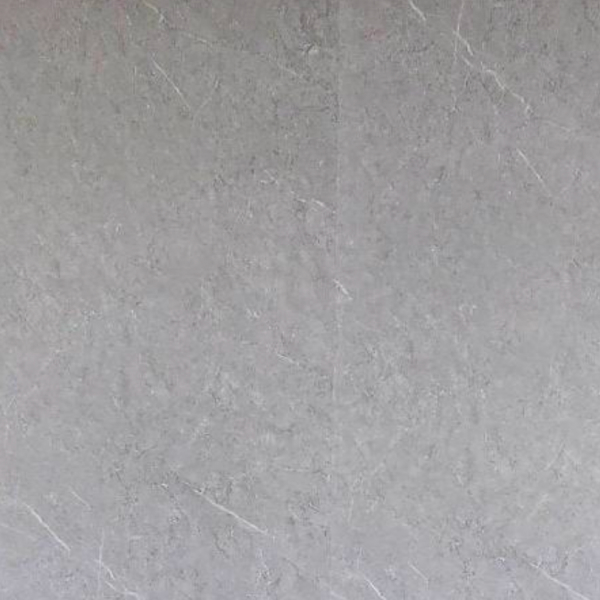
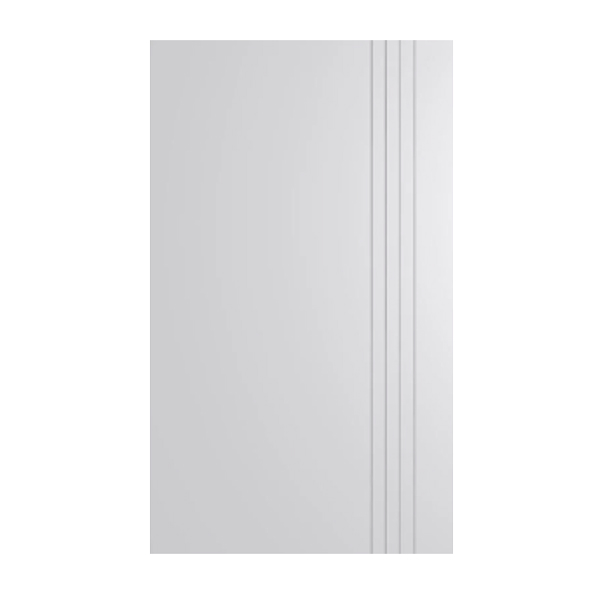
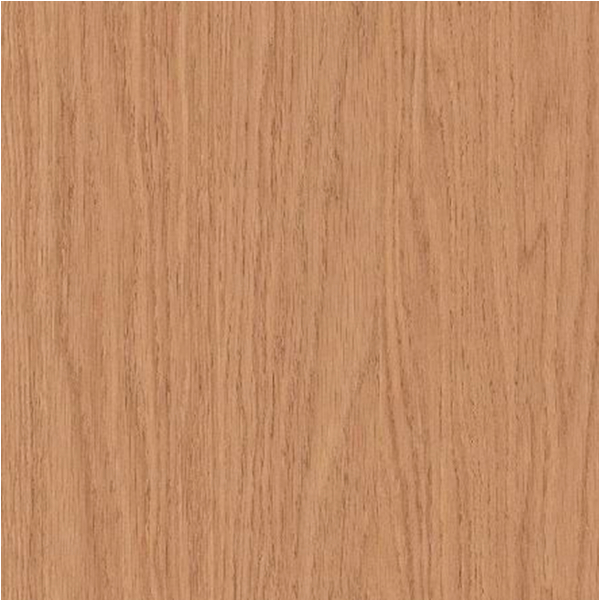
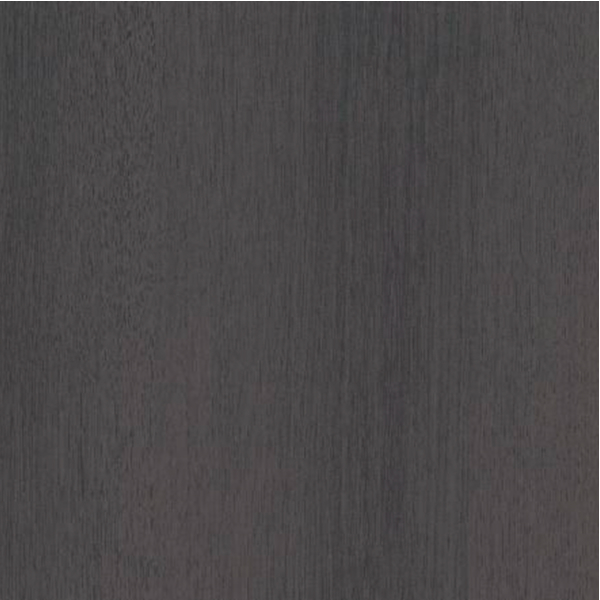
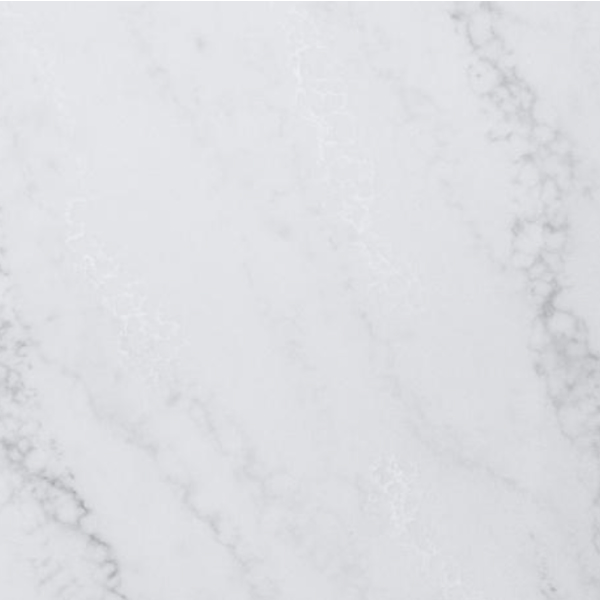
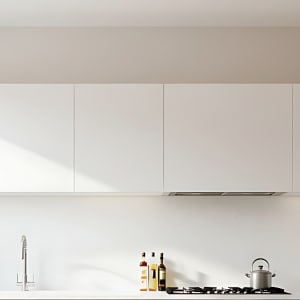
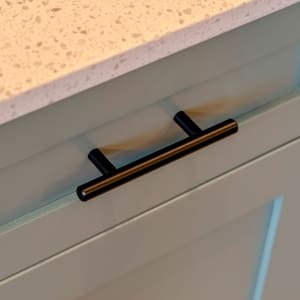
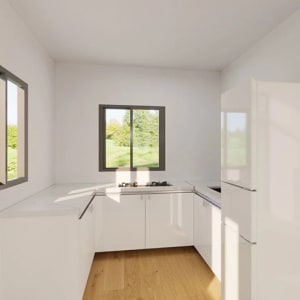
Kitchen/JoineryCabinet Carcass Materials (Internal Structure) • Moisture-Resistant (HMR) Particleboard/Melamine: The standard for most modern kitchens, offering high durability and cost-effectiveness. It consists of particleboard coated with a resin-impregnated paper. • MDF (Medium Density Fibreboard): Dense, strong, and resists warping, often used when a smooth surface is needed, though it is heavy and sensitive to moisture if not sealed. • Plywood: A premium, durable, and water-resistant option often used in high-end or coastal homes. Door and Panel Finishes (Exterior) • Melamine: Durable, cost-effective, and available in many textures (smooth, matte, woodmatt). It is resistant to scratches and stains. • Laminate (High-Pressure Laminate - HPL): Similar to melamine but thicker and more durable. It can achieve modern matte or glossy looks and is very low-maintenance. • 2-Pack Polyurethane (Painted): Sprayed onto MDF to allow for custom colors and, crucially, profiles such as Shaker or V-groove. Offers a clean, tailored finish. • Timber Veneer: A thin layer of natural timber applied to a substrate (like MDF or ply). It offers the warmth of real wood with improved consistency and reduced cost compared to solid timber. • Thermolaminated (Vinyl Wrap): Plastic coating that wraps around the door, creating a seamless edge. It is popular for profiled doors (e.g., Shaker style) but can be vulnerable to high heat. • Solid Timber: Provides a high-end, timeless look. It is costly and requires regular maintenance. • Benchtop Materials (Work Surfaces) • Quartz (Engineered Stone): Non-porous, durable, and available in many patterns, offering high resistance to stains and scratches. • Natural Stone (Granite/Marble): Unique, luxurious, and heat-resistant, but requires periodic sealing to prevent stains. • Laminate: The most budget-friendly option, capable of mimicking high-end stone or wood. • Concrete: Highly customizable, heat-resistant, and ideal for industrial-style designs. Summary of Material Characteristics Material - Best For - Cost - Durability • Melamine - Budget/Modern - Low - High • Laminate - Family Friendly - Low/Mid - High • 2-Pack Poly - Custom/Shaker - Mid/High - Moderate • Veneer - Warmth/Texture - Mid/High - Moderate • Plywood - Structure/Quality - High - Very High • Quartz - Benchtops - High - Very High
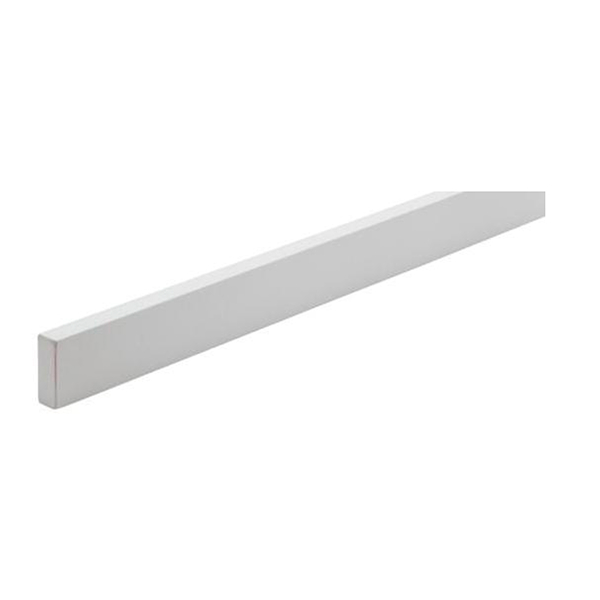
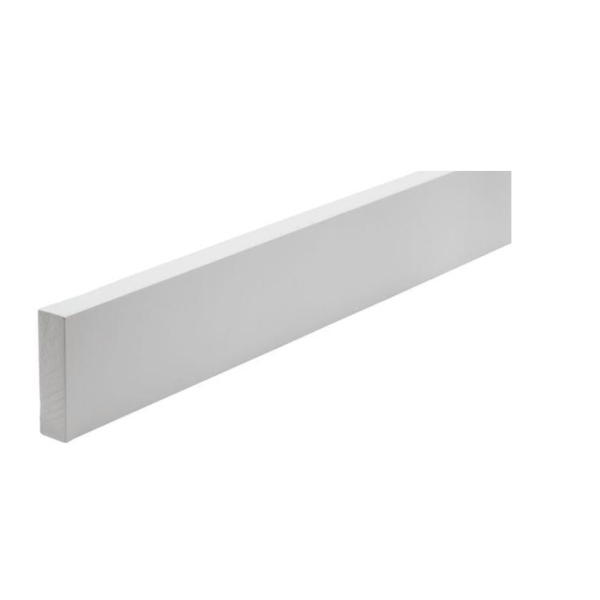
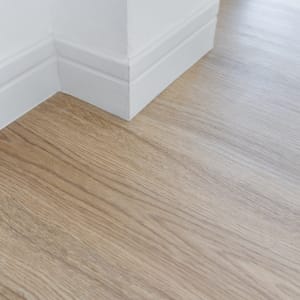
Skirtings/Architraves/CornicesDAR (Dressed All Round) skirting refers to timber or engineered wood that has been planed and smoothed on all four sides, offering a clean, rectangular, and modern square-edge profile. It is commonly used for a minimalist, contemporary, or "shadowline" finish where a simple, clean line is preferred over decorative mouldings. Primed MDF (Medium Density Fibreboard): • Description: An engineered wood product created by breaking down hardwood/softwood residuals into fibers, often pre-primed with two coats for a smooth finish. • Features: Free of knots and grain, highly versatile, cost-effective, stable, and easy to machine/cut. • Best for: Paint finishes and moisture-resistant areas (when moisture-resistant MDF is used). Finger Jointed (FJ) Pine: • Description: Plantation Radiata Pine that is jointed together to create long, straight, stable lengths, typically factory-primed with an acrylic white primer. • Features: Lightweight, easy to cut on-site, and less prone to warping, making it popular for internal fit-outs. • Best for: A painted finish needing durability.
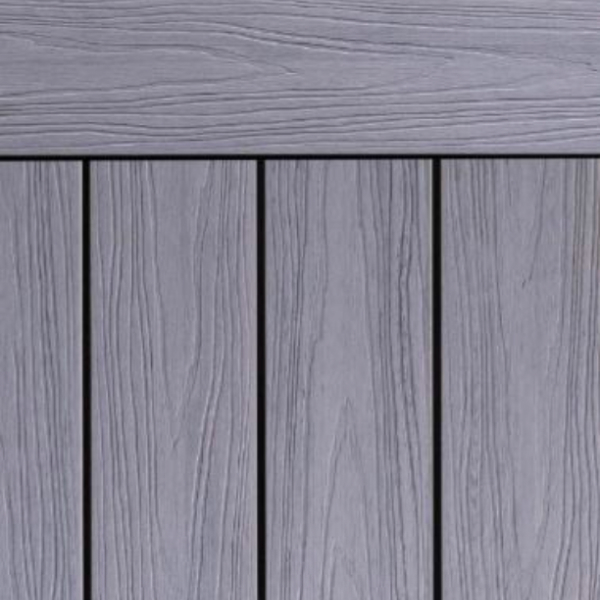
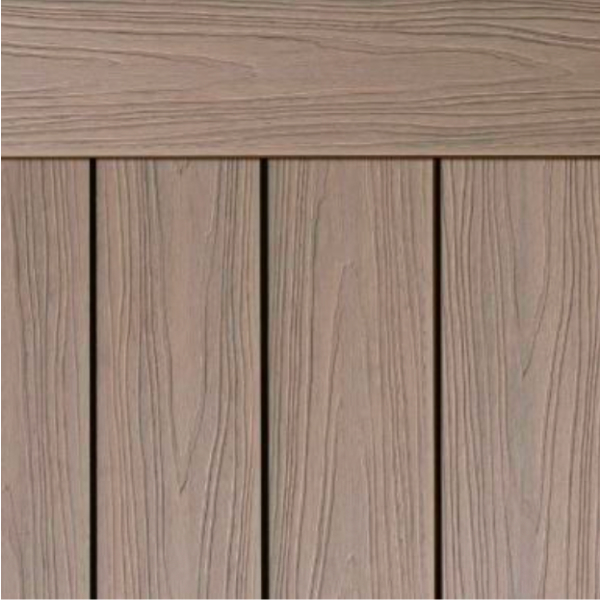
DeckingComposite decking is a durable, low-maintenance, and eco-friendly alternative to timber, made from a mixture of recycled plastics and wood fibers. It offers the aesthetic appeal of wood without the need for painting, sealing, or sanding, and it resists rot, decay, and termites. Common options include solid boards and lighter, cost-effective hollow boards, often lasting 25-30 years. Key Characteristics and Benefits • Low Maintenance: Requires only occasional cleaning with soapy water, saving on long-term labour and maintenance costs. • Durability: Resists fading, staining, warping, and splintering, making it ideal for high-use areas. • Material: Usually constructed from recycled materials (sawdust and plastic film), providing an eco-friendly, durable product. • Appearance: Available in numerous colours and textures, including wood- grain finishes that mimic traditional timber. • Installation: Often installed with fixing systems to provide a clean, fastener-free surface. • Pest Resistance: Unlike timber, composite decking is generally unaffected by termites or pests. Types of Composite Decking • Solid Composite Decking: Heavier and denser, providing a more solid, traditional timber feel, but can expand/contract slightly. • Hollow Composite Decking: Lighter and generally more cost-effective due to reduced material usage. Considerations • Temperature: Composite decks can become hotter than timber in direct, intense sunlight. • Cost: Higher initial purchase price compared to many traditional wood options, though it offsets costs through minimal maintenance. • Expansion: Boards may experience slight expansion and contraction with extreme temperature changes.